Regular readers will know my interest in South African wines seems never-ending and that I am fortunate enough to have a good supplier nearby, so I have an almost limitless stock of the things. I gave Warwick a go based on positive comments by various distinguished boozers (the boozerati, perhaps?) and on favourable reviews by characters such as John Platter who, love him or hate him, is seen by many as the Parker of South Africa. His list of the Top 100 South African wines consistently dominates the marketing of SA wine - although people often criticise it for only plumping for already-established wines, leaving smaller vineyards largely to themselves.
Another, more superficial reason for choosing Warwick Trilogy is that I rather like the name and the bottle shape. At £20-24 it's not overly expensive and something you can cheerfully share with some friends without worrying about the bank. Might do a post on how to run successful tastings/wine events sometime, as they're a rather good way of getting into wine.
Anyway - onto the wine. Decanted for 2 hours then re-tasted after 4.
Nose: Typical Bordeaux at first - pencil shavings, graphite and cedar with an almost earthy texture to the nose. Tobacco, pepper and dark chocolate coming in from time to time, with the chocolate starting to build its intensity. Dollop of cassis in there. Peculiarly it's a rather light nose, despite the strong-seeming flavours in there. Everything is quite soft and gentle and it took some teasing to get into it. The dark chocolate has developed into a hint of chili and has a bit of bite to it. On the re-taste the nose had become much more opulent and jammy, but there was still a hefty dose of pepper in there.
Palate: Largely as above, but without the pencil shavings. The coffee is more intense and the cassis is more noticeable, but not exactly prominent. On the re-taste it was noticeably jammier, but still suffered from the slightly harsh/sharp coffee and dark chocolate. I rather wish I'd been able to decant this for longer as I think it was going really exciting places.
Body: Remarkably it was medium-light. There's plenty of tannin but there's no mouth-coating blast sense to this and it's certainly not overpowering. Rather well poised I thought - a nice weight in harmony with the clear flavours. Nice and smooth (before the tannic hit).
Finish: Quite austere and drying. Not terribly long, either. Not unpleasant, but not exactly one to write home about.
Conclusion: A nice wine, but perhaps unremarkable in some respects? I like the chocolatey-ness (almost like eating cocoa nibs - the intensity and sharpness was very interesting) but at the same time I was hoping for just a touch more fruit. I mentioned my regret that I didn't leave this out for longer, and I suspect I would have been rewarded if I had. Essentially, it tastes rather like classic claret but a little bit more accessible (especially at this age). Definitely worth a try purely to see if the construction is something you like or don't. I will try it again one day.
Points: 85/6 (note to new readers - I prefer to use a slightly broader scale than the traditional 85-100 used by most 100 point markers. By way of explanation, 85/6 is a perfectly respectable wine. Not one I would rush to put in my cellar, but one I would happily buy and drink again.)
A collection of blind-tasted wine reviews which I hope will provide a helpful (and possibly interesting!) guide to choosing, buying, rating and tasting wine. All comments, criticism, discussion and thoughts are welcome!
Showing posts with label red. Show all posts
Tuesday, 13 August 2013
Warwick Estate, Trilogy, 2009
Labels:
2008,
86,
austere,
cabernet franc,
cabernet sauvignon,
cassis,
coffee,
dark chocolate,
jammy,
John Platter,
merlot,
pencil shavings,
red,
sharp,
South Africa,
Top 100 Wines,
Trilogy,
Warwick
Sunday, 7 July 2013
Turley Zindandel, Juvenile, 2007
Back to America for this one. First things first - I'm not a wild fan of the bottle design or the label but fortunately it was a present, so my design judgment wasn't a factor. I say "fortunately" because this wine turned out to be much better than it looked. Due to university days I had always dismissed Zinfandel as a grape that was used solely in the production of cheap rosé (hi there, Blossom Hill). To say I was underwhelmed would be a minor understatement... Again, fortunately for me, it wasn't a sentiment that lasted long.
Colour: A lovely clear, deep and pure purple.
Nose: Oodles of dark berries, oak and a hefty dollop of spice. Cinnamon and black cherry intensity with a certain light crispness on the top notes. Much nicer than the insipid rosé I associate it with!
Palate: This is really smooth and mouth-filling. It's busting with fruit and spice but somehow it seems light and clean. A bit of an enigma here. The spiciness lifts the fruit and makes this more than just a fruit-bomb (although it certainly doesn't hold back) while retaining a lovely freshness.
Body: Oomph. Full, but rounded, smooth and with absolutely no harshness - along with the extraordinary feeling that it's actually rather light. I can't work out if this is a hefty beast or a delicate flower. Decent slug of alcohol in there but not oppressive.
Finish: Finishes very mildly and fades with a gentle lingering hint of berries. Excellent balance and decent length here too. A finish this satisfying demands another sip!
Conclusion: What a lovely way to dispel my negative image of Zinfandel. Of course this could have ended up in a cave-man style - a blast of fruit with nothing else - but the balance and cleanness really made it stand out. Crisp and fruity, there's not a hint of mustiness in it. People think it'll last to 2014/15 but I'd say go for it now as it's going down a treat.
Points: 90. Good stuff!
Colour: A lovely clear, deep and pure purple.
Nose: Oodles of dark berries, oak and a hefty dollop of spice. Cinnamon and black cherry intensity with a certain light crispness on the top notes. Much nicer than the insipid rosé I associate it with!
Palate: This is really smooth and mouth-filling. It's busting with fruit and spice but somehow it seems light and clean. A bit of an enigma here. The spiciness lifts the fruit and makes this more than just a fruit-bomb (although it certainly doesn't hold back) while retaining a lovely freshness.
Body: Oomph. Full, but rounded, smooth and with absolutely no harshness - along with the extraordinary feeling that it's actually rather light. I can't work out if this is a hefty beast or a delicate flower. Decent slug of alcohol in there but not oppressive.
Finish: Finishes very mildly and fades with a gentle lingering hint of berries. Excellent balance and decent length here too. A finish this satisfying demands another sip!
Conclusion: What a lovely way to dispel my negative image of Zinfandel. Of course this could have ended up in a cave-man style - a blast of fruit with nothing else - but the balance and cleanness really made it stand out. Crisp and fruity, there's not a hint of mustiness in it. People think it'll last to 2014/15 but I'd say go for it now as it's going down a treat.
Points: 90. Good stuff!
Labels:
2007,
90+ points,
America,
California,
cherry,
cinnamon,
fruity,
oak,
Paso Robles,
red,
spice,
Turley,
USA,
Zinfandel
Friday, 29 March 2013
Sula Dindori Shiraz Reserve 2010
So here's something a little bit different. Sula, the Indian vineyard that boldly claims to be 'at the forefront of the Indian Wine revolution', was founded by Rajeev Samant in 1993 after leaving his job as an engineer in Silicon Valley. Dindori Reserve was launched in 2005 and shows the experimental edge and growing flair of Sula. Aged in new oak for 1 year.
While the phrase 'Indian Wine revolution' may seem a little vainglorious, I thought it would be an interesting wine to try. I had been recommended to try Indian wine before, but I was cautious as to how well it would travel. Given the distinctly different climates of England and India I felt its merits may be lost (especially as I tried it in mid-Winter - which was actually a rather good thing, as you will see from the notes below).
Along with experimenting across established Indian varietals, Sula also produces a dessert wine (India's first), a Sauvignon Blanc and a Chenin Blanc (also firsts for India). While I suppose this could be termed a revolution in that it has never been done before in India, the fact that these are 'firsts' for India suggests to me that this is a revolution very much in its infancy. Still, with some fairly slick marketing projects, including luxury accommodation on the vineyard, Sula may well end up being as successful as its marketing suggests. They definitely need to change the labels though...
Colour: A rather opaque, cloudy red. A hint of purple.
Nose: Peppery, spicy (cinnamon) and jammy. All characteristic Shiraz tastes. Now comes the interesting part - salt and smoke combined with distinct notes of dried black tea. For those of you familiar with Lapsang Souchong tea, this is a remarkably comparable nose! My notes say in capitals 'TEA'! How interesting.
Palate: Really really smoky fruit. Plenty of oak. Molasses and cinnamon (perhaps burnt cinnamon?) come in with some spice in the middle, giving it a rather charmingly sweet toasty flavour. Lapsang comes through again in serious quantities. Interesting. Quite heavy but not oppressive.
Body: Quite acidic and reasonable tannic. Quite austere on the back. Reasonably smooth.
Finish: The austerity really punches in here. Again, I can't help but make comparisons with slightly over-brewed Lapsang tea. Very smoky, drying and slightly sweet. Not wholly unpleasant.
Conclusion: Classifying a wine like this is extraordinarily difficult (much to my amusement I originally typed 'tea' here - reflecting just how tea-like it was!). It's hard to tell if its well-made or hideously unbalanced. The smokiness is something I quite like (for a glass or two) but I think those of you who have more refined palates may find it oppressive. I liked the sweet spiciness in the middle of the palate but was rather less fond of the austere ending, which is rather too dry for my liking.
Points: 84. Give it a go. It's an extremely interesting wine and is a great conversation-starter, especially given its provenance. Balance is an issue, but perhaps that's what makes it exciting.
While the phrase 'Indian Wine revolution' may seem a little vainglorious, I thought it would be an interesting wine to try. I had been recommended to try Indian wine before, but I was cautious as to how well it would travel. Given the distinctly different climates of England and India I felt its merits may be lost (especially as I tried it in mid-Winter - which was actually a rather good thing, as you will see from the notes below).
Along with experimenting across established Indian varietals, Sula also produces a dessert wine (India's first), a Sauvignon Blanc and a Chenin Blanc (also firsts for India). While I suppose this could be termed a revolution in that it has never been done before in India, the fact that these are 'firsts' for India suggests to me that this is a revolution very much in its infancy. Still, with some fairly slick marketing projects, including luxury accommodation on the vineyard, Sula may well end up being as successful as its marketing suggests. They definitely need to change the labels though...
Colour: A rather opaque, cloudy red. A hint of purple.
Nose: Peppery, spicy (cinnamon) and jammy. All characteristic Shiraz tastes. Now comes the interesting part - salt and smoke combined with distinct notes of dried black tea. For those of you familiar with Lapsang Souchong tea, this is a remarkably comparable nose! My notes say in capitals 'TEA'! How interesting.
Palate: Really really smoky fruit. Plenty of oak. Molasses and cinnamon (perhaps burnt cinnamon?) come in with some spice in the middle, giving it a rather charmingly sweet toasty flavour. Lapsang comes through again in serious quantities. Interesting. Quite heavy but not oppressive.
Body: Quite acidic and reasonable tannic. Quite austere on the back. Reasonably smooth.
Finish: The austerity really punches in here. Again, I can't help but make comparisons with slightly over-brewed Lapsang tea. Very smoky, drying and slightly sweet. Not wholly unpleasant.
Conclusion: Classifying a wine like this is extraordinarily difficult (much to my amusement I originally typed 'tea' here - reflecting just how tea-like it was!). It's hard to tell if its well-made or hideously unbalanced. The smokiness is something I quite like (for a glass or two) but I think those of you who have more refined palates may find it oppressive. I liked the sweet spiciness in the middle of the palate but was rather less fond of the austere ending, which is rather too dry for my liking.
Points: 84. Give it a go. It's an extremely interesting wine and is a great conversation-starter, especially given its provenance. Balance is an issue, but perhaps that's what makes it exciting.
Labels:
2010,
cinnamon,
dindori,
fruit,
India,
Indian wine,
jammy,
lapsang souchong,
molasses,
oak,
red,
reserve,
shiraz,
spice,
sula,
tea
Saturday, 23 March 2013
Château Talbot, St Julien, 2001
As I tend to focus on New World wines, I felt it was time to go back to a classic Bordeaux. Squashed between Pauillac and Margaux on the Left Bank, St Julien is known for producing consistently good and interesting wines. Château Talbot is a 5th Cru Classé and is produced in a very classic style. Some might say that it was designed for the Englishman as it ticks all the boxes for classic claret - the most important being that it is balanced and smooth.
A brief disclaimer is that I tasted this wine some time ago and so my notes are less complete and my memory less distinct. It was also tasted with food and not tasted blind, so I would suggest that this is probably a less objective tasting note than I normally give.
Colour: A fairly deep purple/red, but there was a slight tendency towards tawny on the edges.
Nose: Cedar is the dominant note, backed by tobacco and a dollop of blackberry. Rather less fruit than I had expected, but by no means absent.
Palate: The reverse of the above! The blackberries came first and in a decent enough level of intensity. These were followed by the tobacco with the cedar coming in at the end to clear the palate. This isn't hugely complex - it's simple and light - but it is very nicely balanced and extremely smooth. Very much an easy-drinker.
Body: Extremely soft and gentle. Very light on the body, but with a decent level of taste. It isn't insipid or dreary. Very balanced, with a hint of astringency to firm it up a bit.
Finish: A medium length which fades nicely but without great complexity. Could have done with a bit more of a finish, I feel.
Conclusion: This is exactly the sort of wine that is really difficult to grade. Its soft and subtle flavours mean that many will find it inaccessible or boring, especially if they were to drink it next to a fruit bomb. This strikes me as the sort of wine that is absolutely ideal for a relaxing evening with a book in front of a fire. It was excellent with food, but can it really become a talking point? Its very merits lie in the fact that it is balanced, light and smooth - not exactly 'Eureka' features. That being said, those who prefer a milder wine will adore this as the one thing it does have in spades is class.
Points: 88
A brief disclaimer is that I tasted this wine some time ago and so my notes are less complete and my memory less distinct. It was also tasted with food and not tasted blind, so I would suggest that this is probably a less objective tasting note than I normally give.
Colour: A fairly deep purple/red, but there was a slight tendency towards tawny on the edges.
Nose: Cedar is the dominant note, backed by tobacco and a dollop of blackberry. Rather less fruit than I had expected, but by no means absent.
Palate: The reverse of the above! The blackberries came first and in a decent enough level of intensity. These were followed by the tobacco with the cedar coming in at the end to clear the palate. This isn't hugely complex - it's simple and light - but it is very nicely balanced and extremely smooth. Very much an easy-drinker.
Body: Extremely soft and gentle. Very light on the body, but with a decent level of taste. It isn't insipid or dreary. Very balanced, with a hint of astringency to firm it up a bit.
Finish: A medium length which fades nicely but without great complexity. Could have done with a bit more of a finish, I feel.
Conclusion: This is exactly the sort of wine that is really difficult to grade. Its soft and subtle flavours mean that many will find it inaccessible or boring, especially if they were to drink it next to a fruit bomb. This strikes me as the sort of wine that is absolutely ideal for a relaxing evening with a book in front of a fire. It was excellent with food, but can it really become a talking point? Its very merits lie in the fact that it is balanced, light and smooth - not exactly 'Eureka' features. That being said, those who prefer a milder wine will adore this as the one thing it does have in spades is class.
Points: 88
Labels:
2001,
blackberries,
Bordeaux,
cassis,
cedar,
chateau,
France,
red,
St Julien,
Talbot,
tobacco
Monday, 18 March 2013
Welmoed Cabernet Sauvignon 2010, Stellenbosch
Time for something a little different. While I generally focus on mid-range wines, sometimes I come across a table wine that's so good it deserves an honourable mention. Welmoed is one of those wines. At a bargain-basement £7.50 (or £5 each if you buy 2+ from Majestic), it's a real blockbuster and a massive crowd-pleaser to boot. Simple enough to enjoy on with food, it also has a degree of interest that will please the thinker-drinkers among us.
As with many South African cabernet sauvignons, it has a meatiness and smoky spiciness that appeals and is something that people may not necessarily have tried, meaning they are often under-appreciated.
Nose: Peppery and savoury. There's definite hints of tabasco in there as the sharpness comes through. The pepper strengthens and is joined by chilli before too long. Quite intense. Touch of smoke to smooth the edges. Tobacco.
Palate: Heavy fruit, spice, chilli and cheese (?!). The red fruit is jammy and intense, and well supported by the smoke and cedary tobacco. Classic cigar-box cabernet sauvignon, here. A decent development of flavour within the palate, but not overly complex. Surprisingly pleasant served slightly chilled. I would certainly recommend brining one up from the cellar and drinking it straight away and seeing how it evolves as it begins to warm.
Body: Remarkably light body given the intensity and weight of the nose and palate. Could perhaps even be called delicate, at a push.
Finish: The spice remains strong while a dollop of sweetness comes through at the end to clear the palate and leave a pleasant after-taste.
Conclusion: At £5 you really cannot go wrong with this fellow. With a good range of flavours which provide both enjoyment and interest, it's a perfect wine for any red meat and would go particularly well with a lump of grilled, peppered steak. I have since bought a case, and would heartily recommend you do the same.
Points: 84
As with many South African cabernet sauvignons, it has a meatiness and smoky spiciness that appeals and is something that people may not necessarily have tried, meaning they are often under-appreciated.
Nose: Peppery and savoury. There's definite hints of tabasco in there as the sharpness comes through. The pepper strengthens and is joined by chilli before too long. Quite intense. Touch of smoke to smooth the edges. Tobacco.
Palate: Heavy fruit, spice, chilli and cheese (?!). The red fruit is jammy and intense, and well supported by the smoke and cedary tobacco. Classic cigar-box cabernet sauvignon, here. A decent development of flavour within the palate, but not overly complex. Surprisingly pleasant served slightly chilled. I would certainly recommend brining one up from the cellar and drinking it straight away and seeing how it evolves as it begins to warm.
Body: Remarkably light body given the intensity and weight of the nose and palate. Could perhaps even be called delicate, at a push.
Finish: The spice remains strong while a dollop of sweetness comes through at the end to clear the palate and leave a pleasant after-taste.
Conclusion: At £5 you really cannot go wrong with this fellow. With a good range of flavours which provide both enjoyment and interest, it's a perfect wine for any red meat and would go particularly well with a lump of grilled, peppered steak. I have since bought a case, and would heartily recommend you do the same.
Points: 84
Labels:
cabernet sauvignon,
chili,
chilli,
intense,
jammy,
pepper,
red,
smoke,
South Africa,
tabasco,
tobacco
Saturday, 2 March 2013
Moss Wood Pinot Noir 2009, Mornington Peninsula
A pal of mine has been telling me to try Mornington Peninsula Pinot Noir (he's Australian) for many months now and I have finally given in. After reading a series of excellent reviews for Moss Wood's wines, I felt the need to try a range of their wines (Chardonnay, Cab Sauv and Pinot Noir - obviously from different vineyards).
One thing that I like about Moss Wood (Jancis Robinson calls their Cab Sauv 'The Latour of the Margaret River) is their elegant label design. Another positive is that they haven't overpriced their other wines as a result of the Cabernet Sauvignon's success. The Pinot Noir is available from £17.50-25, depending on where you look and also on shipping, so whilst it is expensive, it is not prohibitively so.
This fellow was drunk at 2 sittings - one at 8 PM and the other at 00:30. Because of the huge differences between the original tasting and the re-taste I feel the need to separate the two:
Nose: At 8 PM the nose was, to me, perfect. It had a magnificent sense of balance and assuredness about it. There was certainly fruit present, but it was perfectly balanced with savoury notes and a lovely hint of pepper to clear the nose at the back. Strawberry, muted raspberry (i.e. no sourness) came in alongside cherry. There's a certain jamminess to it, but not the overpowering sickliness that will have deterred many from trying Australian and other New World Pinot Noirs. It is extremely restrained and refined - the mushroomy savouriness in the middle of the nose really adds to complexity and ensures this wine has 3 distinct areas.
Re-taste Nose: On the re-taste the nose has grown much more opulent, but rather more one-dimensional. There are positives and negatives to this. On the positive, it means that people who are looking for a fruitier wine will be satisfied, as there is a significantly juicier nose while the wine maintains a hint of sourness at the end to ensure the flavours remain at least partially balanced; on the negative, the loss of the savoury edge has removed a certain level of complexity and (dare I say it?) excitement for the taster.
Palate: Flavours as above. This is a smooth, supple, soft and ultra-balanced wine. The sweetness and savouriness offset one another perfectly and this is an exceptionally drinkable wine. It's light on the alcohol and the body is neither too heavy nor too jammy.
Re-taste Palate: On the re-taste the fruit and sourness are much much stronger than the savoury flavours. The wine is now better described as tasting of dried cranberry and strawberry: there's a touch of tartness to affairs and while the wine is still remarkably smooth, the savoury flavours have all but disappeared. There is, however, a decent 'oomph' of spice in there. Oakiness coming through.
Body: The body is extremely light, smooth and pleasant. Tannins are (as expected of a PN) very light.
Finish: The finish is short but nice. Little change between tastings - surprisingly the hint of pepper in the finish has survived to the later tasting. On the re-taste there is quite a hit of oak-spice that has lingered for some time now. Pretty punchy stuff.
Conclusion: I really really enjoyed the first tasting - this was a wine that showed that the New World can imitate Burgundy's finesse at an acceptable price point. Although the second tasting was completely different from the first, in the time I have been writing this review and re-tasting for a third time, it has begun to grow on me as something different, but by no means worse. It is a far more modern expression of pinot noir and it is nice to see that drinkers are offered an option. Drink the wine straight out of the bottle for a more restrained wine, or decant for 2 hours and enjoy a fruitier fellow. I'm not sure if this was deliberate but if it was, it is a stroke of genius! One cannot help but be impressed.
Points: 89/90. Really pleasant - the factor that pushed it to a /90 was that the wine changed so much after time out, offering diversity and complexity. Super wine and a fun one to drink. One of my readers - BB - will be able to confirm this phenomenon, should he wish to comment...
One thing that I like about Moss Wood (Jancis Robinson calls their Cab Sauv 'The Latour of the Margaret River) is their elegant label design. Another positive is that they haven't overpriced their other wines as a result of the Cabernet Sauvignon's success. The Pinot Noir is available from £17.50-25, depending on where you look and also on shipping, so whilst it is expensive, it is not prohibitively so.
This fellow was drunk at 2 sittings - one at 8 PM and the other at 00:30. Because of the huge differences between the original tasting and the re-taste I feel the need to separate the two:
Nose: At 8 PM the nose was, to me, perfect. It had a magnificent sense of balance and assuredness about it. There was certainly fruit present, but it was perfectly balanced with savoury notes and a lovely hint of pepper to clear the nose at the back. Strawberry, muted raspberry (i.e. no sourness) came in alongside cherry. There's a certain jamminess to it, but not the overpowering sickliness that will have deterred many from trying Australian and other New World Pinot Noirs. It is extremely restrained and refined - the mushroomy savouriness in the middle of the nose really adds to complexity and ensures this wine has 3 distinct areas.
Re-taste Nose: On the re-taste the nose has grown much more opulent, but rather more one-dimensional. There are positives and negatives to this. On the positive, it means that people who are looking for a fruitier wine will be satisfied, as there is a significantly juicier nose while the wine maintains a hint of sourness at the end to ensure the flavours remain at least partially balanced; on the negative, the loss of the savoury edge has removed a certain level of complexity and (dare I say it?) excitement for the taster.
Palate: Flavours as above. This is a smooth, supple, soft and ultra-balanced wine. The sweetness and savouriness offset one another perfectly and this is an exceptionally drinkable wine. It's light on the alcohol and the body is neither too heavy nor too jammy.
Re-taste Palate: On the re-taste the fruit and sourness are much much stronger than the savoury flavours. The wine is now better described as tasting of dried cranberry and strawberry: there's a touch of tartness to affairs and while the wine is still remarkably smooth, the savoury flavours have all but disappeared. There is, however, a decent 'oomph' of spice in there. Oakiness coming through.
Body: The body is extremely light, smooth and pleasant. Tannins are (as expected of a PN) very light.
Finish: The finish is short but nice. Little change between tastings - surprisingly the hint of pepper in the finish has survived to the later tasting. On the re-taste there is quite a hit of oak-spice that has lingered for some time now. Pretty punchy stuff.
Conclusion: I really really enjoyed the first tasting - this was a wine that showed that the New World can imitate Burgundy's finesse at an acceptable price point. Although the second tasting was completely different from the first, in the time I have been writing this review and re-tasting for a third time, it has begun to grow on me as something different, but by no means worse. It is a far more modern expression of pinot noir and it is nice to see that drinkers are offered an option. Drink the wine straight out of the bottle for a more restrained wine, or decant for 2 hours and enjoy a fruitier fellow. I'm not sure if this was deliberate but if it was, it is a stroke of genius! One cannot help but be impressed.
Points: 89/90. Really pleasant - the factor that pushed it to a /90 was that the wine changed so much after time out, offering diversity and complexity. Super wine and a fun one to drink. One of my readers - BB - will be able to confirm this phenomenon, should he wish to comment...
Labels:
Australia,
balanced,
cranberry,
fruity,
jam,
Mornington,
Moss Wood,
mushroom,
Pinot Noir,
raspberry,
red,
savoury,
smooth,
soft,
strawberry
Wednesday, 27 February 2013
Au Bon Climat, Santa Barbara County Pinot Noir, 2009
Au Bon Climat (or 'ABC' for those of us too lazy to bother with the full name) is one of the few US wineries to have a really significant presence in UK wine shops. Others, such as Stag's Leap, Frog's Leap and Beringer pop up here and there, but ABC is certainly the most prevalent of them. One factor for the lack of American wine on UK shelves is that the Americans are (with some justification) proud of their wines, and as a result they are priced accordingly.
Clocking in at anywhere between £19 and 40+ ABC's range in the UK is pleasantly diverse, although I always seem to see more Pinot Noirs than anything else. I have a bottle of their Chardonnay somewhere, which I will taste and review sooner or later. Having recently visited Wine Country in California, I have been lucky enough to try a respectable number of American wines. I have a real soft spot for Californian Chardonnay and Cabernet Sauvignon, but if I'm on Pinot Noir I tend to aim for New Zealand or Burgundy as they tend to have more distinct styles and characters. I tasted ABC's 2009 Santa Barbara County Pinot Noir alongside a mix of Burgundies and New Zealand PNs (blind, of course) and here's what I thought:
Nose: An appealing nose starting with a touch of oakiness which is almost instantly followed by heady aromas of raisin and strawberry jam. There's a smidgen of minerality and it's a perfectly pleasant nose so far.
Palate: Light and smooth, ABC has nice fruitiness with a hint of sharpness at the back. The fruitiness is very light and sweet, closer to strawberry than anything else, and this could explain the purpose of the sharpness as it tends to restrain the potentially over-sweet taste. On a re-taste some caramel came through and there's a velvety smoothness that makes this an almost dangerously drinkable Pinot Noir. There is, however, a slightly unappealing tickle of acid in there.
Body: A very well-balanced wine. No single flavour dominates or unbalances affairs and they lie together in a pleasant harmony. It's extremely smooth and (as expected with a Pinot Noir) it's not a heavy wine - the two of these factors combine to make a very enjoyable wine.
Finish: Not a great deal of development, but reasonably length and a nice mellowing of flavours. The acidity fades, which is a big bonus.
Conclusion: I'm fond of juicy, light Pinot Noirs and so this went down well with me. One complaint could be that there didn't seem to be an awful lot of complexity considering this is a £20 wine. My feeling is that I would be delighted with it had it been cheaper, but I feel that it is a tad over-priced as things stand.
Points: 85.
Clocking in at anywhere between £19 and 40+ ABC's range in the UK is pleasantly diverse, although I always seem to see more Pinot Noirs than anything else. I have a bottle of their Chardonnay somewhere, which I will taste and review sooner or later. Having recently visited Wine Country in California, I have been lucky enough to try a respectable number of American wines. I have a real soft spot for Californian Chardonnay and Cabernet Sauvignon, but if I'm on Pinot Noir I tend to aim for New Zealand or Burgundy as they tend to have more distinct styles and characters. I tasted ABC's 2009 Santa Barbara County Pinot Noir alongside a mix of Burgundies and New Zealand PNs (blind, of course) and here's what I thought:
Nose: An appealing nose starting with a touch of oakiness which is almost instantly followed by heady aromas of raisin and strawberry jam. There's a smidgen of minerality and it's a perfectly pleasant nose so far.
Palate: Light and smooth, ABC has nice fruitiness with a hint of sharpness at the back. The fruitiness is very light and sweet, closer to strawberry than anything else, and this could explain the purpose of the sharpness as it tends to restrain the potentially over-sweet taste. On a re-taste some caramel came through and there's a velvety smoothness that makes this an almost dangerously drinkable Pinot Noir. There is, however, a slightly unappealing tickle of acid in there.
Body: A very well-balanced wine. No single flavour dominates or unbalances affairs and they lie together in a pleasant harmony. It's extremely smooth and (as expected with a Pinot Noir) it's not a heavy wine - the two of these factors combine to make a very enjoyable wine.
Finish: Not a great deal of development, but reasonably length and a nice mellowing of flavours. The acidity fades, which is a big bonus.
Conclusion: I'm fond of juicy, light Pinot Noirs and so this went down well with me. One complaint could be that there didn't seem to be an awful lot of complexity considering this is a £20 wine. My feeling is that I would be delighted with it had it been cheaper, but I feel that it is a tad over-priced as things stand.
Points: 85.
Labels:
2009,
ABC,
America,
Au Bon Climat,
jam,
Pinot Noir,
red,
smooth,
strawberry,
USA
Sunday, 24 February 2013
Morgenster 2004, Flagship Red
My new 'current favourite': whilst not actually called their 'flagship red', Morgenster 2004 is the second vintage of Morgenster Estate's flagship wine and is a classic example of South Africa's take on Bordeaux blends. With solid ageing potential, it is at the higher end of pricing but the 2004 is less costly (at around £30) than other vintages. Morgenster made it clear that they were not intending to make a 'showy' wine, but were rather looking for elegance, quality and balance.
While everyone loves a little bit of marketing and some gimmicks - after all, which winery isn't trying to make a supremely balanced and elegant Bordeaux-style red? - it's important to get through them. This is one of the advantages of tasting wines blind (I use some rather fun tasting sleeves which I shall post up in due course) as it allows the tasters to judge the wine itself, rather than the bottle, labelling, marketing and reputation. This was decanted for 2 hours before drinking and re-tasted at intervals of an hour.
Colour: Being reasonably old, the 2004 has begun to get a hint of tawny at the edges, although not enough for anyone to suggest that this was a seriously old wine.
Nose: Decent vanilla at first showing the oak coming through but then (surprisingly, given the age) a touch of green. Pepper, spices and red berries show the dominance of the Cabernet Sauvignon and there's a leathery edge to things. There's a good level of complexity in the nose and it's strong enough to allow most people to pick up the aromas whilst also showing off a good level of balance. The greenness faded after a further hour. Fruit began to emerge at the 2 hour mark and was more pronounced after 3 or 4 - which also saw the end of the savoury notes, which faded away to be replaced by a punchy dose of white pepper.
Palate: Somewhat muted on the first taste: a hint of vanilla and cedarwood with fruit tickling the back of the tongue. Slightly closed and grassy. After hour 3 this changed entirely. It was sweet and surprisingly light - a hint of astringency that faded away by the fourth hour - and the pepper and cedar remaining at the back end of things. There was a touch of earthiness. An extremely smooth-drinker that greatly impressed - perhaps the marketing isn't all rubbish? Elegance, balance and a distinctly Bordelais style. Nice.
Body: Thin at first, then opened up admirably after hour 3/4. Fairly high tannins and certainly a decent slog of alcohol in there.
Finish: Could be that of a top Bordeaux. All flavours in perfect symmetry with a clear direction and decent length. Supreme body and excellent balance.
Conclusion: Very nice wine - but it needed a LOT of decanting. I would have been hard-pressed to give it above 84 after the first two hours after decanting but it shot up to high 80s after 3 hours and touched 90 after that. If I were to serve it at a dinner I'd aim for serving it at the 3 hour mark, as its strength would be present for the early stages of the meal but then would soften off and become a much easier drinker as the evening progressed. One slightly sad point is that a search of Morgenster Estate's website comes up with 'account suspended' page. Whilst I hope this is only a technical problem, it may be worth buying a bottle or two while you still can.
Points: 90.
While everyone loves a little bit of marketing and some gimmicks - after all, which winery isn't trying to make a supremely balanced and elegant Bordeaux-style red? - it's important to get through them. This is one of the advantages of tasting wines blind (I use some rather fun tasting sleeves which I shall post up in due course) as it allows the tasters to judge the wine itself, rather than the bottle, labelling, marketing and reputation. This was decanted for 2 hours before drinking and re-tasted at intervals of an hour.
Colour: Being reasonably old, the 2004 has begun to get a hint of tawny at the edges, although not enough for anyone to suggest that this was a seriously old wine.
Nose: Decent vanilla at first showing the oak coming through but then (surprisingly, given the age) a touch of green. Pepper, spices and red berries show the dominance of the Cabernet Sauvignon and there's a leathery edge to things. There's a good level of complexity in the nose and it's strong enough to allow most people to pick up the aromas whilst also showing off a good level of balance. The greenness faded after a further hour. Fruit began to emerge at the 2 hour mark and was more pronounced after 3 or 4 - which also saw the end of the savoury notes, which faded away to be replaced by a punchy dose of white pepper.
Palate: Somewhat muted on the first taste: a hint of vanilla and cedarwood with fruit tickling the back of the tongue. Slightly closed and grassy. After hour 3 this changed entirely. It was sweet and surprisingly light - a hint of astringency that faded away by the fourth hour - and the pepper and cedar remaining at the back end of things. There was a touch of earthiness. An extremely smooth-drinker that greatly impressed - perhaps the marketing isn't all rubbish? Elegance, balance and a distinctly Bordelais style. Nice.
Body: Thin at first, then opened up admirably after hour 3/4. Fairly high tannins and certainly a decent slog of alcohol in there.
Finish: Could be that of a top Bordeaux. All flavours in perfect symmetry with a clear direction and decent length. Supreme body and excellent balance.
Conclusion: Very nice wine - but it needed a LOT of decanting. I would have been hard-pressed to give it above 84 after the first two hours after decanting but it shot up to high 80s after 3 hours and touched 90 after that. If I were to serve it at a dinner I'd aim for serving it at the 3 hour mark, as its strength would be present for the early stages of the meal but then would soften off and become a much easier drinker as the evening progressed. One slightly sad point is that a search of Morgenster Estate's website comes up with 'account suspended' page. Whilst I hope this is only a technical problem, it may be worth buying a bottle or two while you still can.
Points: 90.
Labels:
2004,
Bordeaux,
cabernet sauvignon,
cassis,
cedar,
leather,
oak,
pepper,
red,
South Africa,
spice,
Toastbongo,
vanilla
Thursday, 21 February 2013
Karasi Zorah, Areni Noir 2010
Time for something a little more exotic and off the beaten path. Karasi Zorah is an Armenian wine grown a 1,400m altitude and is comprised of a grape called Areni Noir - which I am told is the signature grape variety of Armenia. Karasi Zorah has been well-reviewed by some top names in wine: Jancis Robinson gave it 17 and memorably described it as having 'gypsy' flavours - meaning it in a positive sense, suggesting an 'untamed' and wild edge. With such a review, I had to give it a go. On a side note, the bottle is also very pretty: made in a classic style with a wider shoulder than base, the label has raised colouring and the design is a nice touch of traditional Armenian art (although the wine itself was made by an Italian - Alberto Antonini).
Tried alongside several other wines from non-mainstream producers (but by no means non-traditional, as Armenia has been making wine for thousands of years), Zorah was a strong contender. Aged in oak and made in traditional amphorae, it certainly has character galore!
Nose: On first sniff it smelt almost exactly like a Cuban cigar, with notes of smoke and hay backed with a lovely heady mix of raisins, spice and coffee. A hint of pepper comes through at the back and complements the coffee nicely. There's a very distinct structure and on first impression it is extremely well-made.
Palate: How odd! I found it to be very similar to actually smoking a cigar with all the hay, smoke and spice that entails. The savoury tastes are backed with nice ripe fruit although there's a slight sharpness at times. Impressive pepper and coffee. In time, it became sweeter at the front end of things - perhaps a hint of blood orange - and heavier and more sour at the back, with the coffee coming to dominate.
Body: Quite a full taste, but strangely a relatively thin body. Perhaps I didn't give it enough time, but the body doesn't feel quite balanced. Definitely something a little strange about it.
Finish: Medium length with a nice little development. There's a bit of orange zest in the finish - with the bitterness associated with eating some peel.
Conclusion: A really rather interesting and fun wine. The bottle is very distinctive and, depending on your style, it's either a fun design point or an unnecessarily heavy gimmick. At £20 a bottle it's not exactly a cheap wine, but then it does come up with the goods in many areas. The imbalance in the body may have been from my bottle, so it will certainly be one that I re-taste (when I can find another supplier in the UK, as it's rather hard to get hold of). I thoroughly enjoyed the smokiness and spiciness which also seems characteristic of Armenia in its wildness and makes one think of mountain scenes in small villages (the vineyard is near Mt Ararat - where Noah's Ark finished its journey).
Points: 88-89. The slight weirdness with the body has removed a point or two from this, but I would have no hesitation in recommending this to someone who is interested in wine and would like to try something different.
Tried alongside several other wines from non-mainstream producers (but by no means non-traditional, as Armenia has been making wine for thousands of years), Zorah was a strong contender. Aged in oak and made in traditional amphorae, it certainly has character galore!
Nose: On first sniff it smelt almost exactly like a Cuban cigar, with notes of smoke and hay backed with a lovely heady mix of raisins, spice and coffee. A hint of pepper comes through at the back and complements the coffee nicely. There's a very distinct structure and on first impression it is extremely well-made.
Palate: How odd! I found it to be very similar to actually smoking a cigar with all the hay, smoke and spice that entails. The savoury tastes are backed with nice ripe fruit although there's a slight sharpness at times. Impressive pepper and coffee. In time, it became sweeter at the front end of things - perhaps a hint of blood orange - and heavier and more sour at the back, with the coffee coming to dominate.
Body: Quite a full taste, but strangely a relatively thin body. Perhaps I didn't give it enough time, but the body doesn't feel quite balanced. Definitely something a little strange about it.
Finish: Medium length with a nice little development. There's a bit of orange zest in the finish - with the bitterness associated with eating some peel.
Conclusion: A really rather interesting and fun wine. The bottle is very distinctive and, depending on your style, it's either a fun design point or an unnecessarily heavy gimmick. At £20 a bottle it's not exactly a cheap wine, but then it does come up with the goods in many areas. The imbalance in the body may have been from my bottle, so it will certainly be one that I re-taste (when I can find another supplier in the UK, as it's rather hard to get hold of). I thoroughly enjoyed the smokiness and spiciness which also seems characteristic of Armenia in its wildness and makes one think of mountain scenes in small villages (the vineyard is near Mt Ararat - where Noah's Ark finished its journey).
Points: 88-89. The slight weirdness with the body has removed a point or two from this, but I would have no hesitation in recommending this to someone who is interested in wine and would like to try something different.
Friday, 1 February 2013
Peregrine Pinot Noir 2010, Central Otago
Nose: There's a slightly musty nose here. Perhaps a hint of mushroom or tobacco coming in to slightly overpower a hint of fresh cherry. Oddly enough, there's a touch of cedarwood and then some pepper near the end. This is a much more savoury Pinot Noir than I was expecting - on first impression I had this down as a Burgundy, and a good one at that.
Palate: I'm afraid to say it was rather bitter. There was none of the rich fruit backed by spice that I was expecting. There's cherry, but it tastes like unripe cherry - it's sharp and yet musty at the same time. Pepper is present throughout but there's an unpleasant chalkiness to the wine. While I have since read reviews saying this flavour was an example of good minerality, to me it wasn't minerality in the classic sense - it was chalky and mouth-drying, and added little to the wine. Perhaps if I'm being optimistic I might be able to find some raspberry, but I'm not entirely sure that I actually tasted it or if it was simply wishful thinking looking for something to like.
Body: Surprisingly for a Pinot Noir this felt remarkably tannic. The sharp furriness coming from the musty unripe cherry added to this sensation and made for a not very pleasant drink.
Finish: Almost no finish. This was extremely short and very one-dimensional.
Conclusion: When the cover was taken off I was deeply disappointed to find a wine so highly regarded had disappointed me so much. At £25, it's not cheap either. Perhaps I ought to have left it open for longer, but even after 2 hours I don't recall noting any positive changes. My only note from the later tasting is 'The nose is the only redeeming factor'. What a shame
Points: 70. Not a fan. I shall have to re-taste to confirm this opinion at some point, but when there are so many better Kiwi Pinot Noirs out there, why waste the time and money on this? The vastly superior Kota Lime Rock (which I will review in due course) blasted this out of the water for a perfect mix of savouriness and fruitiness.
Labels:
bitter,
Burgundy,
cherry,
Kiwi,
New Zealand,
Pinot Noir,
red,
savoury
Monday, 28 January 2013
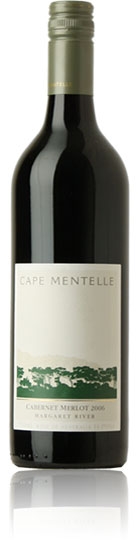
Cape Mentelle Cabernet Merlot 2010
I bought Cape Mentelle on the strong recommendation of various employees of various wine shops and have now tried it on a couple of occasions. I rather like Aussie wines at this price point (£12-15) as they often have great character and are readily accessible, meaning they're a good one to use to introduce a friend/group to wine tasting. With strong flavours that are often comparatively easy to identify along with some occasional subtleties, they nearly always go down well in a blind tasting.
Cape Mentelle is made in Margaret River, in Western Australia. A cool climate, Margaret River is often regarded as one of the top Aussie wine-producing regions, especially for its Cabernet Sauvignons. In due course I will be trying Moss Wood's Cab Sauv, described by Jancis Robinson as 'The Latour of the Margaret River' so I will hopefully be able to build you a picture of the region over the coming weeks or months.
Nose: Immediately obvious are tobacco, cedarwood and some smoke. So far, a very classic Cab Sauv blend. There's fruit at the back of the nose and a hint of pepper. Here's the reason I like these sort of wines as an introduction - plenty of interesting smells that can easily be identified. So far, so good.
Palate: Ah, it's clear we're in Australia now. Lots of rich red fruit hits the palate immediately, with cassis leading the way with some seriously jammy oomph. There is, however, an interesting twist, as the palate suddenly turns dry, with some decent spice and bitterness (coffee, perhaps dark chocolate) coming up to claim the fore. As it develops, the cedar from the nose comes through, clearing off the palate nicely. There's a certain level of astringency to this, but I feel sure that this will fade with some time out of the bottle. Quite a 1-2-3 structure in that the constituent parts are very separate, but this is by no means an unpleasant wine. Eminently drinkable and a crowd pleaser.
Body: I'm sure you can guess from the above that this could only go into the 'full-bodied beast' category, with some serious tannic power to back it up. I wonder if it might be worth leaving it for a year or 3?
Finish: Medium length, fairly basic, but pleasant nonetheless. Nothing worthy of note.
Conclusion: As I noted in the introduction, I'm a fan of this sort of wine. It has good, strong flavours and has clearly been made with a clear purpose in mind. No smoke and mirrors or attempts to beat Bordeaux here, it's Aussie Cab Sauv at its simple best, and it's happy to be it.
Points: 86. At the price, well worth a pop. Interesting enough for a tasting, but would match well with any red meat, ideally a suitably red cut of beef. Yum.
Cape Mentelle is made in Margaret River, in Western Australia. A cool climate, Margaret River is often regarded as one of the top Aussie wine-producing regions, especially for its Cabernet Sauvignons. In due course I will be trying Moss Wood's Cab Sauv, described by Jancis Robinson as 'The Latour of the Margaret River' so I will hopefully be able to build you a picture of the region over the coming weeks or months.
Nose: Immediately obvious are tobacco, cedarwood and some smoke. So far, a very classic Cab Sauv blend. There's fruit at the back of the nose and a hint of pepper. Here's the reason I like these sort of wines as an introduction - plenty of interesting smells that can easily be identified. So far, so good.
Palate: Ah, it's clear we're in Australia now. Lots of rich red fruit hits the palate immediately, with cassis leading the way with some seriously jammy oomph. There is, however, an interesting twist, as the palate suddenly turns dry, with some decent spice and bitterness (coffee, perhaps dark chocolate) coming up to claim the fore. As it develops, the cedar from the nose comes through, clearing off the palate nicely. There's a certain level of astringency to this, but I feel sure that this will fade with some time out of the bottle. Quite a 1-2-3 structure in that the constituent parts are very separate, but this is by no means an unpleasant wine. Eminently drinkable and a crowd pleaser.
Body: I'm sure you can guess from the above that this could only go into the 'full-bodied beast' category, with some serious tannic power to back it up. I wonder if it might be worth leaving it for a year or 3?
Finish: Medium length, fairly basic, but pleasant nonetheless. Nothing worthy of note.
Conclusion: As I noted in the introduction, I'm a fan of this sort of wine. It has good, strong flavours and has clearly been made with a clear purpose in mind. No smoke and mirrors or attempts to beat Bordeaux here, it's Aussie Cab Sauv at its simple best, and it's happy to be it.
Points: 86. At the price, well worth a pop. Interesting enough for a tasting, but would match well with any red meat, ideally a suitably red cut of beef. Yum.
Labels:
2010,
Australia,
cabernet sauvignon,
Cape Mentelle,
cassis,
cedar,
full,
Margaret River,
merlot,
pepper,
red,
smoke,
Toastbongo,
tobacco,
Wine
Sunday, 27 January 2013
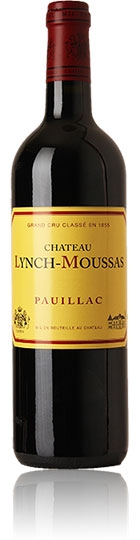
Château Lynch-Moussas, Pauillac, 2006
Back to a more 'classic' wine for this one. Tasted at a mini-Bordeaux tasting that covered Pauillac, Margaux and St Emillion, Lynch-Moussas was well regarded by fellow reviewers, but has been denigrated elsewhere, so was of interest to me. Costing £26, it's hardly a bargain-basement wine, but it's reasonably priced in comparison with many of its compatriots.
I have always liked Bordeaux wines that are more subtle, smooth and structured, as I feel that the New World often does the fruity wines better than France does. This is very much Bordeaux's forté and as such, I rarely buy a Bordeaux when looking for power - I look for finesse, and this wine will be judged by that criterion.
Nose: A nice array of aromas coming through here. Not all are instantly identifiable, but they remain there long enough to be found by a trial and error process. There's vanilla and spice immediately with a hint of perfumed flowers - we thought lilac, but weren't quite sure. Behind the floral aromas there was a touch of woodsmoke and a light hint of strawberry (or perhaps very diluted cassis). A fairly typical Pauillac then, although with an almost Margaux-like perfume.
Palate: Rather lovely, but became less so after a few sips as a touch of astringency came into it. Cherry and red fruits are present and it's extremely smooth although a hint of acidity and spice came into affairs after a short time. It began to change into a sweet and sour taste of raspberry - again, I was unable to find much cassis, which I had expected would be much more prominent, which struck me as a touch odd. That lilac taste came flitting in and out and had one reviewer convinced he was drinking a Margaux. Funnily, on a re-taste an hour or two afterwards, this became a much smoother and more characterful wine. Whilst there still wasn't cassis as such, the fruit was more pronounced, softer and more interesting. Would be lovely with all kinds of food and it seems a well-structured wine.
Body: Medium-bodied, medium alcohol and fairly low tannins and became perhaps a touch thin after drinking a (very small) glass of it.
Finish: A fairly classic finish in that it softens almost imperceptibly but has a reasonable level of development as a dash of fruit makes a late resurgence to remind you to take another sip.
Conclusion: Lynch-Moussas is a reasonably sophisticated wine with an interesting array of aromas (especially the floral ones). Well-balanced and smooth, but without a great deal to really excite, I think this would be excellent with classic roasts. Mint-crusted lamb would suit it ideally.
Points: 86-87. Nice level of sophistication, but not quite enough to get into the serious points. Drinking now and unlikely to improve in the bottle, is it really worth £26?
I have always liked Bordeaux wines that are more subtle, smooth and structured, as I feel that the New World often does the fruity wines better than France does. This is very much Bordeaux's forté and as such, I rarely buy a Bordeaux when looking for power - I look for finesse, and this wine will be judged by that criterion.
Nose: A nice array of aromas coming through here. Not all are instantly identifiable, but they remain there long enough to be found by a trial and error process. There's vanilla and spice immediately with a hint of perfumed flowers - we thought lilac, but weren't quite sure. Behind the floral aromas there was a touch of woodsmoke and a light hint of strawberry (or perhaps very diluted cassis). A fairly typical Pauillac then, although with an almost Margaux-like perfume.
Palate: Rather lovely, but became less so after a few sips as a touch of astringency came into it. Cherry and red fruits are present and it's extremely smooth although a hint of acidity and spice came into affairs after a short time. It began to change into a sweet and sour taste of raspberry - again, I was unable to find much cassis, which I had expected would be much more prominent, which struck me as a touch odd. That lilac taste came flitting in and out and had one reviewer convinced he was drinking a Margaux. Funnily, on a re-taste an hour or two afterwards, this became a much smoother and more characterful wine. Whilst there still wasn't cassis as such, the fruit was more pronounced, softer and more interesting. Would be lovely with all kinds of food and it seems a well-structured wine.
Body: Medium-bodied, medium alcohol and fairly low tannins and became perhaps a touch thin after drinking a (very small) glass of it.
Finish: A fairly classic finish in that it softens almost imperceptibly but has a reasonable level of development as a dash of fruit makes a late resurgence to remind you to take another sip.
Conclusion: Lynch-Moussas is a reasonably sophisticated wine with an interesting array of aromas (especially the floral ones). Well-balanced and smooth, but without a great deal to really excite, I think this would be excellent with classic roasts. Mint-crusted lamb would suit it ideally.
Points: 86-87. Nice level of sophistication, but not quite enough to get into the serious points. Drinking now and unlikely to improve in the bottle, is it really worth £26?
Labels:
Bordeaux,
cabernet sauvignon,
cherry,
floral,
France,
Lynch,
Lynch-Moussas,
merlot,
Moussas,
oak,
Pauillac,
raspberry,
red,
savoury,
Toastbongo,
Wine
Glenelly Lady May 2008
Hello all, after a brief hiatus due to various work commitments, we're back to South Africa for this post. Glenelly is a South African vineyard with a rather intriguing 'twist'. It's owned by none other than Madame de Lencquesaing, the former owner of the exceptional 'super second' Chateau Pichon Longueville Comtesse de Lalande, who feels South Africa's soils, grapes and climate provide a perfect canvas for Bordeaux-style winemaking. If you have read one or two of my other posts, you'll know it's clear that I also subscribe to this opinion!
As Madame de Lencquesaing's first name is May, the name of this wine provides us with a fairly strong clue as to what to expect. A Bordelais statement in a New terroir, so certainly something different from the usual meaty smokiness that I love so much in South African Cabernet Sauvignon blends. If I remember correctly from the back of the bottle (now in the recycling somewhere in climes unknown), the statue on the front of the bottle is a very young version of Lady May herself! So, onto the wine - decanted for 2 hours and tasted again after 4.
Colour: I felt the need to include a colour section for this wine in particular (as I haven't bothered doing it for other wines so far) because it really is quite extraordinary. I removed the cork and there was almost no colour to it - a rather pale pink that I would associate with Burgundy rather than a heavy Cab Sauv - so I was extremely surprised when I poured out an almost black wine. It is incredibly deep and almost entirely opaque. Quite intriguing that it stained the cork so little. If someone knows how/why this is I would appreciate a comment about it!
Nose: Whoomph. There is an almost overpowering aroma of coffee. There is a hint of hay and barnyard aromas - a slight sourness that perhaps leads into some intensely dark chocolate. Fruit is not overly evident and was not overly evident on later tasting. This, I believe, is where the fact that the wine is so young has had its effect. That's not to say that the nose is closed, as it is certainly not, it is simply that it is currently slightly unbalanced and I look forward to seeing the effect of some time on the bottle (although 10 years may be too long to wait!). There's some real heat in this nose - reminiscent of chilli chocolate (Montezuma Chocolate make it and it's quite intriguing!). In sum: Coffee, hay, dark dark chocolate and some chilli and heat at the end.
Palate: At the first taste I noted massive coffee backed by 'solid' fruit - the fruit, however, was tight and restrained. This, I am sure, is the emphasis of Lady May's Bordelais heritage and a conscious move away from South African style to a more Old World effort. The bitterness of the coffee and dark chocolate definitely comes through near the end, but there isn't harshness to it, so it's not a negative point. On the later tasting (4 hours decanted) I got blackcurrant coming to the fore with the coffee moving to a supporting role (but a rather loud supporting role!). After 5 hours the coffee began to calm down a little, encouraging me to keep trying it.
Finish: As above, fading away into more savoury aromas. A hint of leather coming through (perhaps the evolved version of the slightly sour hay and barnyard aromas in the nose?), coffee and a touch of blackcurrant, but it's elusive.
Conclusion: It must be remembered that this is a VERY young wine and intended to be cellared for a good few years before drinking, so this review will most certainly be coloured by the fact that I am drinking this young. As a result, I find it extremely hard to give it a rating as I don't think it will be a fair analysis. I found this wine extremely interesting, but was it really a wine I would drink? I think that it's only fair to wait for at least another 2 years before drinking and ideally 5 or 10. Given all of the expertise that has gone into it, it's certainly an accomplished wine and it is certainly making a statement. I had a heated debate with a reviewer who referred to this as 'typically South African' that divided the room, but I stand by my view that this is a Bordelais wine residing in a South African terroir.
Points: Anything from 85-91.
I would love to hear if anyone else has tried this and what their feelings were! Next time I will do an overnight decant and see what it's like in the morning.
Labels:
cabernet sauvignon,
chocolate,
coffee,
full,
Glenelly,
hay,
Lady May,
leather,
red,
review,
savoury,
sour,
South Africa,
Toastbongo,
Wine
Sunday, 13 January 2013
Hochar Père et Fils, Chateau Musar
Hochar Père et Fils is the second wine of the famous Chateau Musar. Musar is a Lebanese wine, established in 1930 by Gaston Hochar and now continued by his sons (hence the name 'Père et Fils'). There is a fabulous story of Serge Hochar, the son currently in charge of wine production, spending an evening during a particularly savage bout of shelling in the Lebanese Civil War (which ran from 1975-1990) tasting one of his finest vintages. Despite pleas to go to a bomb shelter, Serge poured an entire bottle of Chateau Musar 1972 into a glass and spent the subsequent 12 hours tasting it and meticulously noting its development.
As a result, it was with some interest that I bought some of the main label Chateau Musar (still in the cellar, waiting to be drunk) and the second label, Père et Fils, which set me back £12. I am reliably informed that this is produced in a slightly lighter and more accessible style than the full Chateau Musar, so I was excited about the prospect of getting to know the style of wine of this famous Chateau. This was one of the first wines I had properly 'tasted', so it was difficult to articulate some of the flavours.
Nose: The aroma was somewhat unpleasant to my nose. There was a heavy dose of resin (some described it as 'nail polish') which was quite off-putting and which rather dominated the nose. There was also a slightly sour hint of it with citrus (rather rare in a red!) leading some of us to describe the wine as smelling of pear drops.
Palate: A complete contrast to the nose, the palate is light with some slightly musty red fruit and a more restrained version of the pear drops found in the aroma. It balances quite nicely and is certainly dangerously easy to drink. It has a very Middle-Eastern feel to it with dates, figs and spices giving it a slight hint of a Moroccan marketplace (I haven't been to Lebanon, so Morocco will have to do!).
Body: As I had been advised, this was a lighter wine and the body was medium, with pleasantly smooth tannins.
Finish: Very short and fades away almost instantly. This could be a characteristic of the fact that Musar often releases its wines 3-4 years after production to ensure that they are drinkable - meaning they are often of a good age by the time they get to the table. Nothing unpleasant in the finish, so all in all a positive experience.
Conclusion: An enjoyable table wine that is fairly-priced and accessible. Some may be put off by the aroma (I'll have to re-taste to ensure I wasn't tasting a corked one) but the taste was enjoyable. I hope that my Musar 2004 will be in the same vein!
Points: I gave it 6.5+/20 which I think equates to somewhere around 84.
As a result, it was with some interest that I bought some of the main label Chateau Musar (still in the cellar, waiting to be drunk) and the second label, Père et Fils, which set me back £12. I am reliably informed that this is produced in a slightly lighter and more accessible style than the full Chateau Musar, so I was excited about the prospect of getting to know the style of wine of this famous Chateau. This was one of the first wines I had properly 'tasted', so it was difficult to articulate some of the flavours.
Nose: The aroma was somewhat unpleasant to my nose. There was a heavy dose of resin (some described it as 'nail polish') which was quite off-putting and which rather dominated the nose. There was also a slightly sour hint of it with citrus (rather rare in a red!) leading some of us to describe the wine as smelling of pear drops.
Palate: A complete contrast to the nose, the palate is light with some slightly musty red fruit and a more restrained version of the pear drops found in the aroma. It balances quite nicely and is certainly dangerously easy to drink. It has a very Middle-Eastern feel to it with dates, figs and spices giving it a slight hint of a Moroccan marketplace (I haven't been to Lebanon, so Morocco will have to do!).
Body: As I had been advised, this was a lighter wine and the body was medium, with pleasantly smooth tannins.
Finish: Very short and fades away almost instantly. This could be a characteristic of the fact that Musar often releases its wines 3-4 years after production to ensure that they are drinkable - meaning they are often of a good age by the time they get to the table. Nothing unpleasant in the finish, so all in all a positive experience.
Conclusion: An enjoyable table wine that is fairly-priced and accessible. Some may be put off by the aroma (I'll have to re-taste to ensure I wasn't tasting a corked one) but the taste was enjoyable. I hope that my Musar 2004 will be in the same vein!
Points: I gave it 6.5+/20 which I think equates to somewhere around 84.
Labels:
cabernet sauvignon,
carignan,
cinsault,
Gaston,
Hochar,
lebanese,
Lebanon,
Musar,
red,
Serge,
tasting,
Toastbongo,
Wine
Saturday, 12 January 2013
Saint Clair Pioneer's Block 14: 'Doctor's Creek'
I mentioned in my first review that I love Saint Clair as a vinyard. In many ways Saint Clair was the first wine that I really thought about and one that got me hooked on the idea of Pinot Noir and the versatility of grapes in general. Matt Thomson has won a host of awards, including the prestigious for his work at Saint Clair and the Pioneer Block series always deliver - even their Gewürztraminer was excellent, and I am no fan of Gewürztraminer.
I tried PB 15 (as it was in its previous iteration) at approximately this time last year and have since tried several of Saint Clair's Pinot Noirs. The current vintage is 2011's Doctor's Creek, or PB 14 for short. I have now tried it on 4 occasions, 3 of which were tastings, and I feel that I'm on to a real winner with it. I would describe it as an excellent example of how a New World beast can be tamed.
Nose: SC PB 14 has a lovely intense nose of all the great parts of Pinot Noir - it's a jammy raspberry blast with a hint of mushroom earthiness to back it up. Nutmeg dances around the aroma to give it a hint of depth. An almost ferric hint slips in there somewhere, but is elusive if you look for it. As with Pioneer Block 3, intensity is the buzzword regarding Saint Clair's wines, but don't imagine that it is just intensity. There's also great complexity and this is not a wine to be dismissed as a New World 'fruit bomb'.
Palate: Sweet with the slight sourness that characterises top Pinot Noir. The fruit is held in place and structured with this, combined with pepper and spice backing up the juiciness. This is most certainly not Burgundy - it's juicy and fruity and lacks the savoury 'barnyard' gaminess of top Burgundy, but has much to interest nevertheless. In time (approx 1.5 hours) the spice becomes more pronounced - becoming more Burgundian. Interesting. Excellent.
Points: Excellent. 91, especially after a little time exposed to the air.
I tried PB 15 (as it was in its previous iteration) at approximately this time last year and have since tried several of Saint Clair's Pinot Noirs. The current vintage is 2011's Doctor's Creek, or PB 14 for short. I have now tried it on 4 occasions, 3 of which were tastings, and I feel that I'm on to a real winner with it. I would describe it as an excellent example of how a New World beast can be tamed.
Nose: SC PB 14 has a lovely intense nose of all the great parts of Pinot Noir - it's a jammy raspberry blast with a hint of mushroom earthiness to back it up. Nutmeg dances around the aroma to give it a hint of depth. An almost ferric hint slips in there somewhere, but is elusive if you look for it. As with Pioneer Block 3, intensity is the buzzword regarding Saint Clair's wines, but don't imagine that it is just intensity. There's also great complexity and this is not a wine to be dismissed as a New World 'fruit bomb'.
Palate: Sweet with the slight sourness that characterises top Pinot Noir. The fruit is held in place and structured with this, combined with pepper and spice backing up the juiciness. This is most certainly not Burgundy - it's juicy and fruity and lacks the savoury 'barnyard' gaminess of top Burgundy, but has much to interest nevertheless. In time (approx 1.5 hours) the spice becomes more pronounced - becoming more Burgundian. Interesting. Excellent.
Body: As an inexperienced taster, this is somewhat hard to describe. In terms of flavour, this is a full-bodied mouth-filling wine but it isn't heavy in the slightest. It is in fact exceptionally smooth, suggesting it's light of body. Whatever the correct description is, it's lovely.
Finish: Is that a hint of menthol, clearing my palate for another glass? Only one way to find out...
Conclusion: With cellaring potential of 5 years from vintage (i.e. up to 2016) it is well worth buying a case or two. It is an easy-going crowd pleaser and will never fail to impress. Serve with slow-cooked paprika chicken or prawns with squid-ink linguine (contact me for a recipe if you want). I have a photo of it somewhere that I should upload...
Points: Excellent. 91, especially after a little time exposed to the air.
Labels:
Burgundy,
fruity,
jam,
jammy,
Kiwi,
New Zealand,
Pinot Noir,
raspberry,
red,
Saint Clair,
Toastbongo,
Wine
Tasting Wine - Glassware
Despite having posted a grand total of 4 posts, I realise I have not yet discussed the importance of glassware (or stemware) in tasting wines. I hope that a post at this early stage will be useful for would-be wine tasters and I plan on doing a small serial on the methods of improving the wine tasting experience.
The impact a good or bad glass can have on the experience is often profound - I have known friends to become frustrated at being unable to get the full aroma or taste of a wine and feel left-out at tastings simply because they did not have an appropriate glass.
It is important not to be daunted by the prospect of the vast array of stemware available at specialist shops. I recall seeing a Riedel display which had a glass for each and every type of wine I could imagine. Whilst it was in many ways an enlightening experience, it was at the same time absolutely terrifying! The thought of having to purchase at least a dozen glasses before being able to 'taste' wine 'properly' almost drove me away from tasting.
Fortunately for the amateur taster such as myself, such complications are largely unnecessary. In the end, I decided to simply buy two glasses - one for white wine and one for red. After the briefest of searches I came across a company called 'Chef & Sommelier' who make remarkably good value and professional-looking wine glasses.
In my tastings I use the two displayed here:
![]() |
| Chef & Sommelier White Wine Glass |
![]() |
| Chef & Sommelier Red Wine Glass |
The style of each glass is also important in exposing the wine to the air, whilst maintaining its bouquet in theglass. You will notice that the red wine glass has a wider base and becomes thinner at the top - this is to make the bouquet more profound and also to allow the taster to nestle the glass easily in his or her hand. The white wine glass, by contrast, discourages this practice with its narrower base and wider middle, which allows for the vapours to concentrate before moving out of the glass.
Moreover, the ultra-thin glass used has 2 important uses. The first is somewhat frivolous - it makes the glasses look much smarter and glitzier - rather like a nice restaurant! The second is more significant: having a very thin rim on the glass means that tasters can much more accurately place the wine in their mouths - an often overlooked concept - that allows the specific aspects of a wine to be more clearly examined.
I bought my glasses in boxes of 6 (12 total) for the princely sum of £48 (they were on sale on-line) and I cannot recommend them more to anyone who wants to either start tasting wine or simply wants to enjoy their wine more.
Thursday, 10 January 2013
Kanonkop Paul Sauer 2009
As I have tantalisingly put Kanonkop's Paul Sauer 2009 as my current favourite wine, I feel it is only just that I should put up a review to accompany it. Kanonkop (meaning Canon's Hill - from which a warning shot that was fired to alert farmers to the arrival of traders at Cape Town) is regarded as one of South Africa's top wineries.
Kanonkop was inspired by a special offer that caught my eye and has since inspired a love of South African wine that I am yet to shake. Made in a distinctly Bordelais style with a blend of Cabernet Sauvignon, Cabernet Franc and Merlot (giving it an edge of complexity over the single-grape Kanonkop Cabernet Sauvignon), Kanonkop is an excellent expression of what it is to be a 'proper' South African red.
Decanted for 3 hours before serving (at a later tasting I attempted 1.5, which was clearly too short), the colour was an rich, smoky red. Almost opaque, and interestingly a herald of things to come.
Nose: Kanonkop says 'I'm South African' all over the nose. It has the typical red fruit associated with a blend of this variety, but backed with the smokiness that is so classically South African. Coming in as top notes were blackberry, cherry, plum and some pepper. The more I sniffed, the more I felt the smoke was perhaps tending ever so slightly towards the phenolic aromas of a peated whisky. That is one I'll have to try to find again.
Palate: After 3 hours it was gloriously soft, smooth, fruity and rich. A decent oomph of spice kept it from being cloying and the smokiness gave it a lovely mouth-feel that was both complex and accessible. While I have listed a series of platitudes as regards red wine above, this wine should not be dismissed as basic - the layering and structure of the fruit, spice and smoke means it gives any palate a good run for its money.
Body: As mentioned above, this is an extremely smooth wine considering its full flavours. Tannins are remarkably soft, especially considering the youth of the wine.
Finish: Superb is the only word for it. Every constituent part softens and fades away in a subtle and yet somehow distinct order. It is medium-long and the structure holds perfectly throughout. Most excellent.
Conclusion: A really, really lovely wine. The sort of wine to kindle a love-affair. The quality of blending that one would expect of a Bordeaux combined with real flavour, passion and power. This is certainly one to have with a good braii on the beach (Cape Maclear, Malawi would be my ideal). It's potent and yet sufficiently subtle, complex and structured to stand up to any food without overwhelming it. But why would you bother trying to match it with food? This is magnificent on its own.
Points: 93.
I have since bought a case that will be sitting in my cellar for however long I can resist temptation. Expect to see updates as I check on the developments. It can be bought for around £25-30.
Kanonkop was inspired by a special offer that caught my eye and has since inspired a love of South African wine that I am yet to shake. Made in a distinctly Bordelais style with a blend of Cabernet Sauvignon, Cabernet Franc and Merlot (giving it an edge of complexity over the single-grape Kanonkop Cabernet Sauvignon), Kanonkop is an excellent expression of what it is to be a 'proper' South African red.
Decanted for 3 hours before serving (at a later tasting I attempted 1.5, which was clearly too short), the colour was an rich, smoky red. Almost opaque, and interestingly a herald of things to come.
Nose: Kanonkop says 'I'm South African' all over the nose. It has the typical red fruit associated with a blend of this variety, but backed with the smokiness that is so classically South African. Coming in as top notes were blackberry, cherry, plum and some pepper. The more I sniffed, the more I felt the smoke was perhaps tending ever so slightly towards the phenolic aromas of a peated whisky. That is one I'll have to try to find again.
Palate: After 3 hours it was gloriously soft, smooth, fruity and rich. A decent oomph of spice kept it from being cloying and the smokiness gave it a lovely mouth-feel that was both complex and accessible. While I have listed a series of platitudes as regards red wine above, this wine should not be dismissed as basic - the layering and structure of the fruit, spice and smoke means it gives any palate a good run for its money.
Body: As mentioned above, this is an extremely smooth wine considering its full flavours. Tannins are remarkably soft, especially considering the youth of the wine.
Finish: Superb is the only word for it. Every constituent part softens and fades away in a subtle and yet somehow distinct order. It is medium-long and the structure holds perfectly throughout. Most excellent.
Conclusion: A really, really lovely wine. The sort of wine to kindle a love-affair. The quality of blending that one would expect of a Bordeaux combined with real flavour, passion and power. This is certainly one to have with a good braii on the beach (Cape Maclear, Malawi would be my ideal). It's potent and yet sufficiently subtle, complex and structured to stand up to any food without overwhelming it. But why would you bother trying to match it with food? This is magnificent on its own.
Points: 93.
I have since bought a case that will be sitting in my cellar for however long I can resist temptation. Expect to see updates as I check on the developments. It can be bought for around £25-30.
Subscribe to:
Posts (Atom)


.jpg)