As I tend to focus on New World wines, I felt it was time to go back to a classic Bordeaux. Squashed between Pauillac and Margaux on the Left Bank, St Julien is known for producing consistently good and interesting wines. Château Talbot is a 5th Cru Classé and is produced in a very classic style. Some might say that it was designed for the Englishman as it ticks all the boxes for classic claret - the most important being that it is balanced and smooth.
A brief disclaimer is that I tasted this wine some time ago and so my notes are less complete and my memory less distinct. It was also tasted with food and not tasted blind, so I would suggest that this is probably a less objective tasting note than I normally give.
Colour: A fairly deep purple/red, but there was a slight tendency towards tawny on the edges.
Nose: Cedar is the dominant note, backed by tobacco and a dollop of blackberry. Rather less fruit than I had expected, but by no means absent.
Palate: The reverse of the above! The blackberries came first and in a decent enough level of intensity. These were followed by the tobacco with the cedar coming in at the end to clear the palate. This isn't hugely complex - it's simple and light - but it is very nicely balanced and extremely smooth. Very much an easy-drinker.
Body: Extremely soft and gentle. Very light on the body, but with a decent level of taste. It isn't insipid or dreary. Very balanced, with a hint of astringency to firm it up a bit.
Finish: A medium length which fades nicely but without great complexity. Could have done with a bit more of a finish, I feel.
Conclusion: This is exactly the sort of wine that is really difficult to grade. Its soft and subtle flavours mean that many will find it inaccessible or boring, especially if they were to drink it next to a fruit bomb. This strikes me as the sort of wine that is absolutely ideal for a relaxing evening with a book in front of a fire. It was excellent with food, but can it really become a talking point? Its very merits lie in the fact that it is balanced, light and smooth - not exactly 'Eureka' features. That being said, those who prefer a milder wine will adore this as the one thing it does have in spades is class.
Points: 88
A collection of blind-tasted wine reviews which I hope will provide a helpful (and possibly interesting!) guide to choosing, buying, rating and tasting wine. All comments, criticism, discussion and thoughts are welcome!
Showing posts with label France. Show all posts
Saturday, 23 March 2013
Thursday, 21 February 2013
Menetou-Salon, Domaine du Manay 2011
I took a punt on some Menetou-Salon after getting a recommendation from a friend who described it as Sancerre without the blockbuster name. At £11 a bottle, it's certainly priced competitively and it can often be bought for slightly less if you purchase in bulk at various wine merchants. As with Sancerre, Menetou-Salon has very limestone rich soil and the similarities between the two regions is clear from the first taste. It was tasted alongside various other Sauvignon Blancs (including my perennial favourite, Saint Clair Pioneer Block 3 - although it was Pioneer Block 11 at the time) and performed well.
Nose: Quite a restrained nose to begin with. There are light floral notes and an odd aroma that was described by one friend as 'fruity cauliflower'! A decent bit of zest and minerality give it some backbone, but this is certainly not a powerful wine - it is clearly designed for a touch of subtlety and for matching with food.
Palate: A very appealing minerality and rainy-day earthiness gives Domaine du Manay a classic and timeless edge. A touch of sweetness comes in at the back giving balance and ensuring the wine doesn't become too harsh or acidic. Whilst not hugely complex, this has been well done and is an enjoyable glass of wine.
Body: Medium-light.
Finish: A fairly short finish ties in with the comparative lack of complexity in the wine. It gets slightly sweeter and thinner. Not much to write home about, but nothing negative either.
Conclusion: A perfectly pleasant £11 / £9 bottle of wine that is not going to excite your tastebuds in the line of some of the others reviewed here but will certainly provide an excellent wine to partner with any manner of dishes. White fish, chicken, salads, dry cheeses and anything with a creamy sauce would go very well with it. I have tried it with risotto on several occasions and it was just about able to stand up to a wintery lentil and sausage stew.
Points: 85. Well worth a go at the price and a perfectly enjoyable wine to drink on its own, although clearly better for food matching.
Nose: Quite a restrained nose to begin with. There are light floral notes and an odd aroma that was described by one friend as 'fruity cauliflower'! A decent bit of zest and minerality give it some backbone, but this is certainly not a powerful wine - it is clearly designed for a touch of subtlety and for matching with food.
Palate: A very appealing minerality and rainy-day earthiness gives Domaine du Manay a classic and timeless edge. A touch of sweetness comes in at the back giving balance and ensuring the wine doesn't become too harsh or acidic. Whilst not hugely complex, this has been well done and is an enjoyable glass of wine.
Body: Medium-light.
Finish: A fairly short finish ties in with the comparative lack of complexity in the wine. It gets slightly sweeter and thinner. Not much to write home about, but nothing negative either.
Conclusion: A perfectly pleasant £11 / £9 bottle of wine that is not going to excite your tastebuds in the line of some of the others reviewed here but will certainly provide an excellent wine to partner with any manner of dishes. White fish, chicken, salads, dry cheeses and anything with a creamy sauce would go very well with it. I have tried it with risotto on several occasions and it was just about able to stand up to a wintery lentil and sausage stew.
Points: 85. Well worth a go at the price and a perfectly enjoyable wine to drink on its own, although clearly better for food matching.
Labels:
2011,
citrus,
floral,
France,
Menetou Salon,
mineral,
minerality,
Sancerre,
sauvignon blanc,
Toastbongo,
Wine
Sunday, 27 January 2013
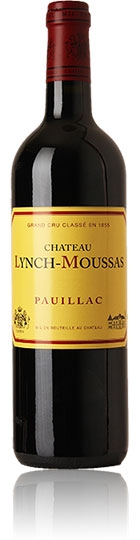
Château Lynch-Moussas, Pauillac, 2006
Back to a more 'classic' wine for this one. Tasted at a mini-Bordeaux tasting that covered Pauillac, Margaux and St Emillion, Lynch-Moussas was well regarded by fellow reviewers, but has been denigrated elsewhere, so was of interest to me. Costing £26, it's hardly a bargain-basement wine, but it's reasonably priced in comparison with many of its compatriots.
I have always liked Bordeaux wines that are more subtle, smooth and structured, as I feel that the New World often does the fruity wines better than France does. This is very much Bordeaux's forté and as such, I rarely buy a Bordeaux when looking for power - I look for finesse, and this wine will be judged by that criterion.
Nose: A nice array of aromas coming through here. Not all are instantly identifiable, but they remain there long enough to be found by a trial and error process. There's vanilla and spice immediately with a hint of perfumed flowers - we thought lilac, but weren't quite sure. Behind the floral aromas there was a touch of woodsmoke and a light hint of strawberry (or perhaps very diluted cassis). A fairly typical Pauillac then, although with an almost Margaux-like perfume.
Palate: Rather lovely, but became less so after a few sips as a touch of astringency came into it. Cherry and red fruits are present and it's extremely smooth although a hint of acidity and spice came into affairs after a short time. It began to change into a sweet and sour taste of raspberry - again, I was unable to find much cassis, which I had expected would be much more prominent, which struck me as a touch odd. That lilac taste came flitting in and out and had one reviewer convinced he was drinking a Margaux. Funnily, on a re-taste an hour or two afterwards, this became a much smoother and more characterful wine. Whilst there still wasn't cassis as such, the fruit was more pronounced, softer and more interesting. Would be lovely with all kinds of food and it seems a well-structured wine.
Body: Medium-bodied, medium alcohol and fairly low tannins and became perhaps a touch thin after drinking a (very small) glass of it.
Finish: A fairly classic finish in that it softens almost imperceptibly but has a reasonable level of development as a dash of fruit makes a late resurgence to remind you to take another sip.
Conclusion: Lynch-Moussas is a reasonably sophisticated wine with an interesting array of aromas (especially the floral ones). Well-balanced and smooth, but without a great deal to really excite, I think this would be excellent with classic roasts. Mint-crusted lamb would suit it ideally.
Points: 86-87. Nice level of sophistication, but not quite enough to get into the serious points. Drinking now and unlikely to improve in the bottle, is it really worth £26?
I have always liked Bordeaux wines that are more subtle, smooth and structured, as I feel that the New World often does the fruity wines better than France does. This is very much Bordeaux's forté and as such, I rarely buy a Bordeaux when looking for power - I look for finesse, and this wine will be judged by that criterion.
Nose: A nice array of aromas coming through here. Not all are instantly identifiable, but they remain there long enough to be found by a trial and error process. There's vanilla and spice immediately with a hint of perfumed flowers - we thought lilac, but weren't quite sure. Behind the floral aromas there was a touch of woodsmoke and a light hint of strawberry (or perhaps very diluted cassis). A fairly typical Pauillac then, although with an almost Margaux-like perfume.
Palate: Rather lovely, but became less so after a few sips as a touch of astringency came into it. Cherry and red fruits are present and it's extremely smooth although a hint of acidity and spice came into affairs after a short time. It began to change into a sweet and sour taste of raspberry - again, I was unable to find much cassis, which I had expected would be much more prominent, which struck me as a touch odd. That lilac taste came flitting in and out and had one reviewer convinced he was drinking a Margaux. Funnily, on a re-taste an hour or two afterwards, this became a much smoother and more characterful wine. Whilst there still wasn't cassis as such, the fruit was more pronounced, softer and more interesting. Would be lovely with all kinds of food and it seems a well-structured wine.
Body: Medium-bodied, medium alcohol and fairly low tannins and became perhaps a touch thin after drinking a (very small) glass of it.
Finish: A fairly classic finish in that it softens almost imperceptibly but has a reasonable level of development as a dash of fruit makes a late resurgence to remind you to take another sip.
Conclusion: Lynch-Moussas is a reasonably sophisticated wine with an interesting array of aromas (especially the floral ones). Well-balanced and smooth, but without a great deal to really excite, I think this would be excellent with classic roasts. Mint-crusted lamb would suit it ideally.
Points: 86-87. Nice level of sophistication, but not quite enough to get into the serious points. Drinking now and unlikely to improve in the bottle, is it really worth £26?
Labels:
Bordeaux,
cabernet sauvignon,
cherry,
floral,
France,
Lynch,
Lynch-Moussas,
merlot,
Moussas,
oak,
Pauillac,
raspberry,
red,
savoury,
Toastbongo,
Wine
Saturday, 12 January 2013
Jean-Louis Chavy Puligny-Montrachet 2010
Puligny-Montrachet is one of the most interesting and exciting of the Burgundian white wine regions, often clocking in with enormous price tags and subtlety, minerality and class to match them. This was my nod to 'classic' Chardonnay in my tasting set and while not at the sort of price point that is really needed to express the region, at £25 it was by no means a budget bottle of wine.
Montrachet is located in the Côte de Beaune subregion of Burgundy, just south of the incredibly famous town of Meursault (N.B. if you want to try Meursault, please resist the chance to buy a £15 bottle. It is one of those wines that you have to pay more for, sadly, but is often worth the extra pennies). If you get the chance it is a particularly nice part of the world to visit - Beaune containing some of Burgundy's most famous vinyards along with some exceptionally pretty towns.
Anyway, on to the wine. Tasted blind on the same evening as the Eikendal (and others), this was the most expensive wine of the evening (not that we knew as they were all wrapped!).
Montrachet is located in the Côte de Beaune subregion of Burgundy, just south of the incredibly famous town of Meursault (N.B. if you want to try Meursault, please resist the chance to buy a £15 bottle. It is one of those wines that you have to pay more for, sadly, but is often worth the extra pennies). If you get the chance it is a particularly nice part of the world to visit - Beaune containing some of Burgundy's most famous vinyards along with some exceptionally pretty towns.
Anyway, on to the wine. Tasted blind on the same evening as the Eikendal (and others), this was the most expensive wine of the evening (not that we knew as they were all wrapped!).
Nose: This can be said to characterise Burgundian Chardonnay - it was fresh, citrussy and acidic, but with an almost buttery balance to it. This was the first clue about the oak in this wine, which slightly damped the minerality but (in my view) gave the wine an interesting extra dimension.
Palate: As with the Eikendal this was perhaps a touch sugary but in time it improved greatly. Citrus came through and the palate began to 'fill out' with more flavours, including light vanilla from the oak. There is certainly minerality here and the fruit is in pleasant harmony with the other flavours.
Finish: The finish was perhaps a touch compact, but I have nothing negative to say about it. The wine simply faded away pleasantly and left no bitter after-taste or lingering acidity. It led easily into the next glass!
Conclusion: A very pleasant wine in terms of its harmony, but was it really worth £25? The oak played a part in making the balance of the wine, but as one of my co-tasters commented, it made it somewhat difficult to separate it from a fairly ordinary New World oaked Chardonnay. While I had failed to follow my own advice (steer clear of 'cheap' white Burgundy), I thought that this would be worth a go considering other positive reviews from elsewhere. As far as I'm concerned it was a wine that I would very much like to drink with friends over dinner, but £25 could be put to much better use elsewhere - even the traditionally heavily overpriced American wines did better (Au Bon Climat - to be reviewed shortly).
Points: It's hard to rate this one considering my knowledge of the price. When I tasted it blind I gave it a 7/10 - which I suppose equates to somewhere around 87 on the 100-point scale. Pleasant, but don't get too excited.
Labels:
Burgundy,
citrus,
France,
mineral,
minerality,
Montrachet,
oak,
oaked,
review,
Toastbongo,
white,
Wine
Subscribe to:
Posts (Atom)